Intergenerational Latine Healing
La Cura-duría
We are here because spaces for storytelling and self-exploration create the opportunity to reclaim bodily autonomy, sexual pleasure, and sexual agency.
About the Museum
La Cura-duría gathers, honors, exhibits, and creates a virtual space for witnessing stories across different artistic media. Through this act we invite anyone to find belonging and healing.Through stories, reflections, and shared memories, the museum invites participants to reclaim their bodies, challenge inherited narratives, and imagine new possibilities of collective well-being.It is not only a collection, but a collective action and process where healing (“cura”) is preserved, practiced, and passed on.
What's Coming
Our team (featured below) is working hard to bring you our first exhibit. We are also seeking funding to develop a community-led curriculum to support bodily autonomy among Latinas and develop a facilitator training program!
Our Team
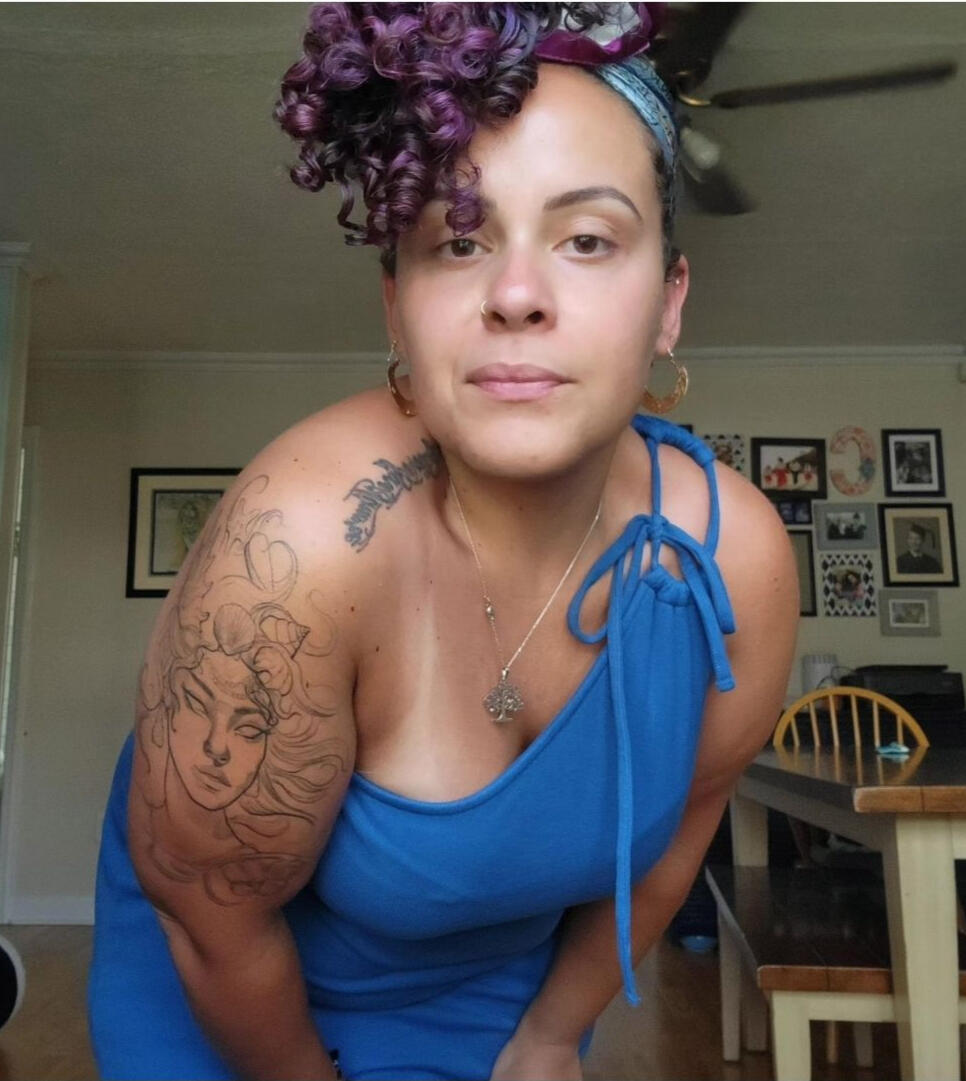
Bidania Criscuolo (she/her)
I was born and raised in Washington Heights, NY. I am Queer, a mother, a wife, and a Social Worker primarily working with youth. I recently became a doula and have found it has reframed my views on community and helped me see what belonging truly feels like. When I think about who my people are, I think about those who are figuring out who they are across cultures—especially Latine women who are holding both pride and struggle in their identities. My people are survivors and truth-tellers, people who have had to reclaim their bodies, their voices, and their sense of self. They are helpers and community builders, creating spaces where others feel seen, safe, and valued. My people are also those reconnecting with their roots, their families, and their spirituality in ways that feel real to them. And ultimately, my people are anyone choosing to show up as their authentic self and care for others along the way.
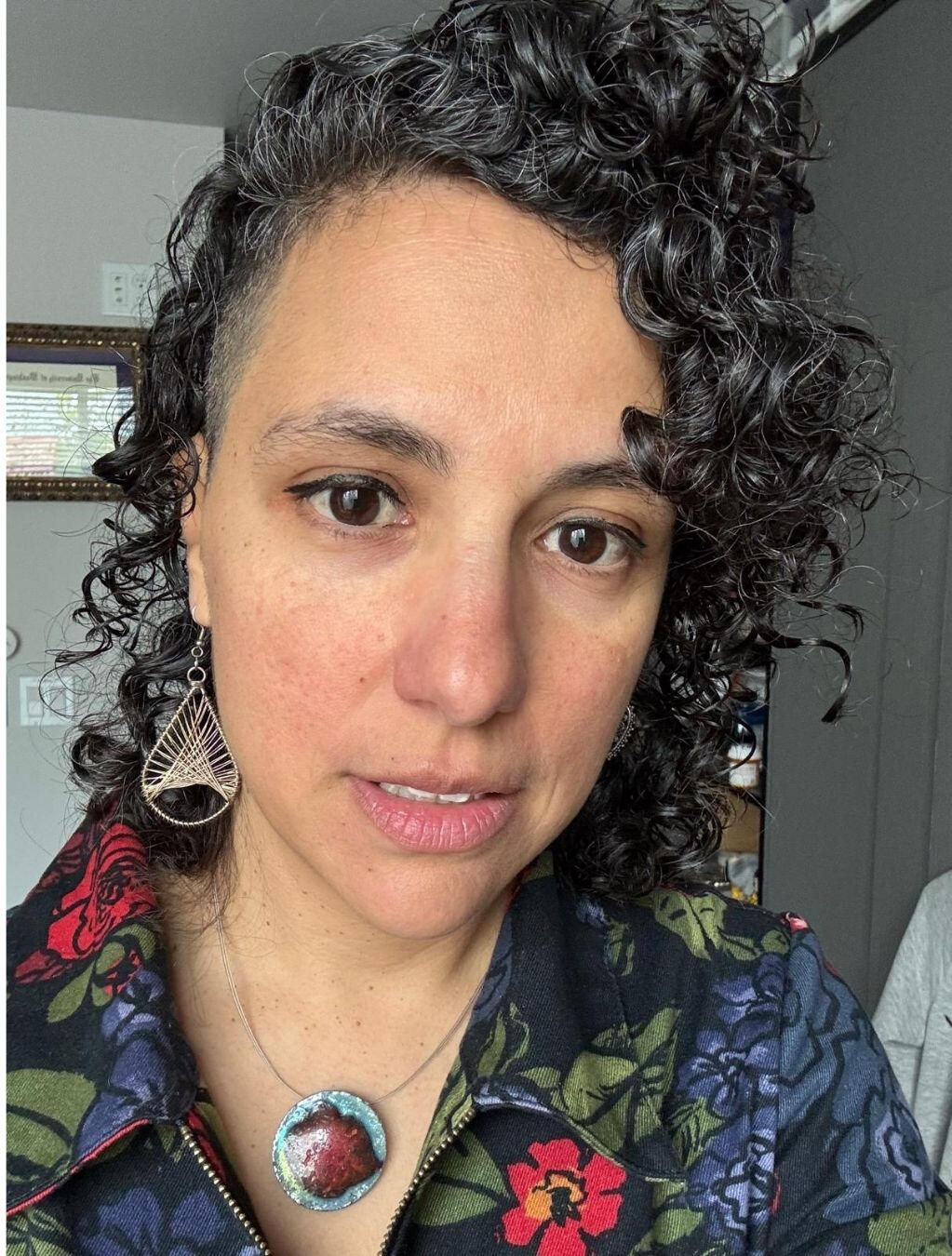
Dra. Carolina Nieto (they/she/ella)I am a queer Mexican immigrant in the United States and a researcher with an eclectic background. My work spans museums and curatorial studies, public space, health equity, and now pleasure. I earned a Master’s degree in Art History and Aesthetics in Puebla, Mexico, and a PhD in Communication from the University of Washington in Seattle, USA. My ongoing commitment to crack open walls and structures, to democratize art, placemaking, pleasure, and health, has brought me backstage in this museum, where Latine voices are spoken, collected and listened to in community with a healing purpose.
Dra. Idalia Veronica Maciel (she/ella)
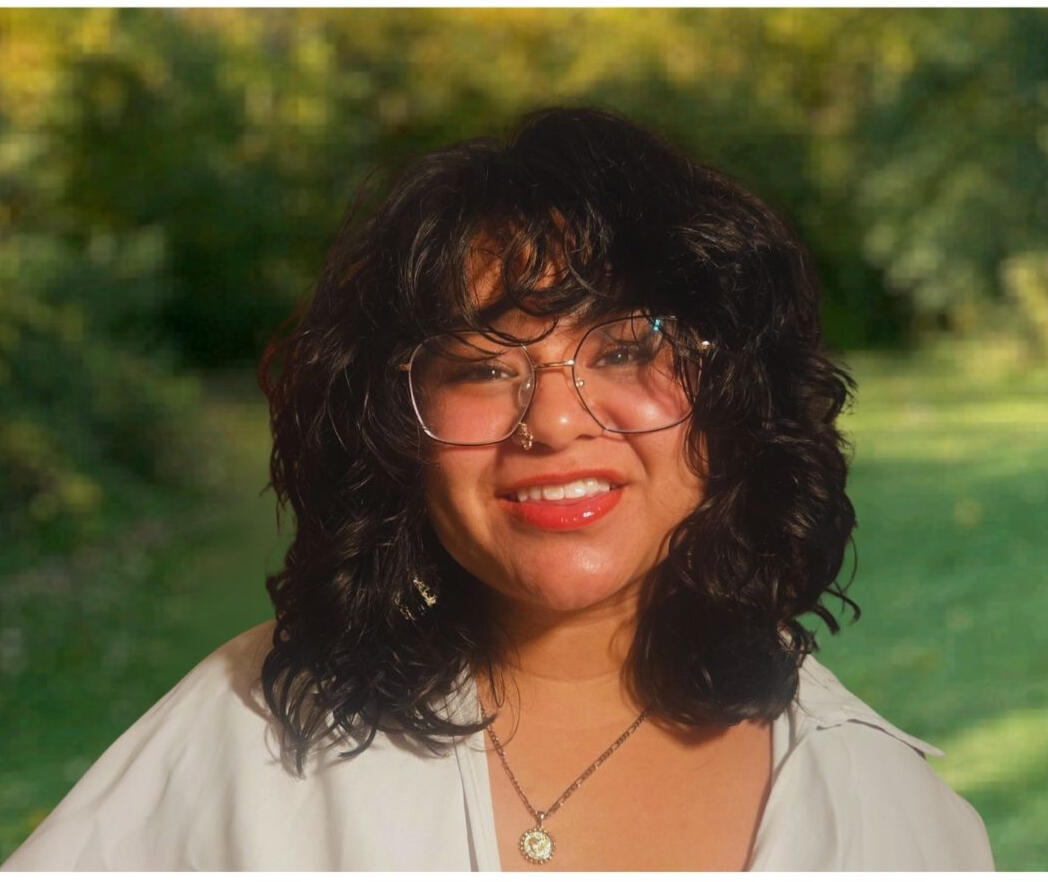
I am a queer, neurodivergent, non-monogamous Mexican Catracha who researches, writes, and educates on topics across sexuality and identity. My philosophy centers pleasure activism, emphasizing the act of resistance that reclaiming pleasure is for minoritized individuals, as well as a commitment to deconstructing societal narratives and relational norms that limit intimate lives.I am the daughter of immigrants, with an Honduran mother and a Mexican father. My father joined the US military when he was 18 for the opportunities, structure, and stability it offered. Because of that I grew up in Mexico, Chile, and Belgium, and moved to the US for the first time when I was 17 for college. Reckoning with owing so much of my life to something so destructive has heavily impacted my story and how I think about identity.
From a young age I was taught to neutralize the chaos in my house, and subsequently taught to ignore my feelings and my body’s senses. This all has impacted my ability to recognize my body’s needs, self-advocate, as well as my bodily autonomy and sexual agency.Since Dra. Yael invited me into her research world, my work on this project has been transformative and healing, attesting to the value of spaces to witness and be witnessed. Through it, I have learned about the true importance of community in healing. As co-founder of the museum, I will be curating exhibits, working on grants to secure more funding, and working on the accompanying curriculum on body autonomy.
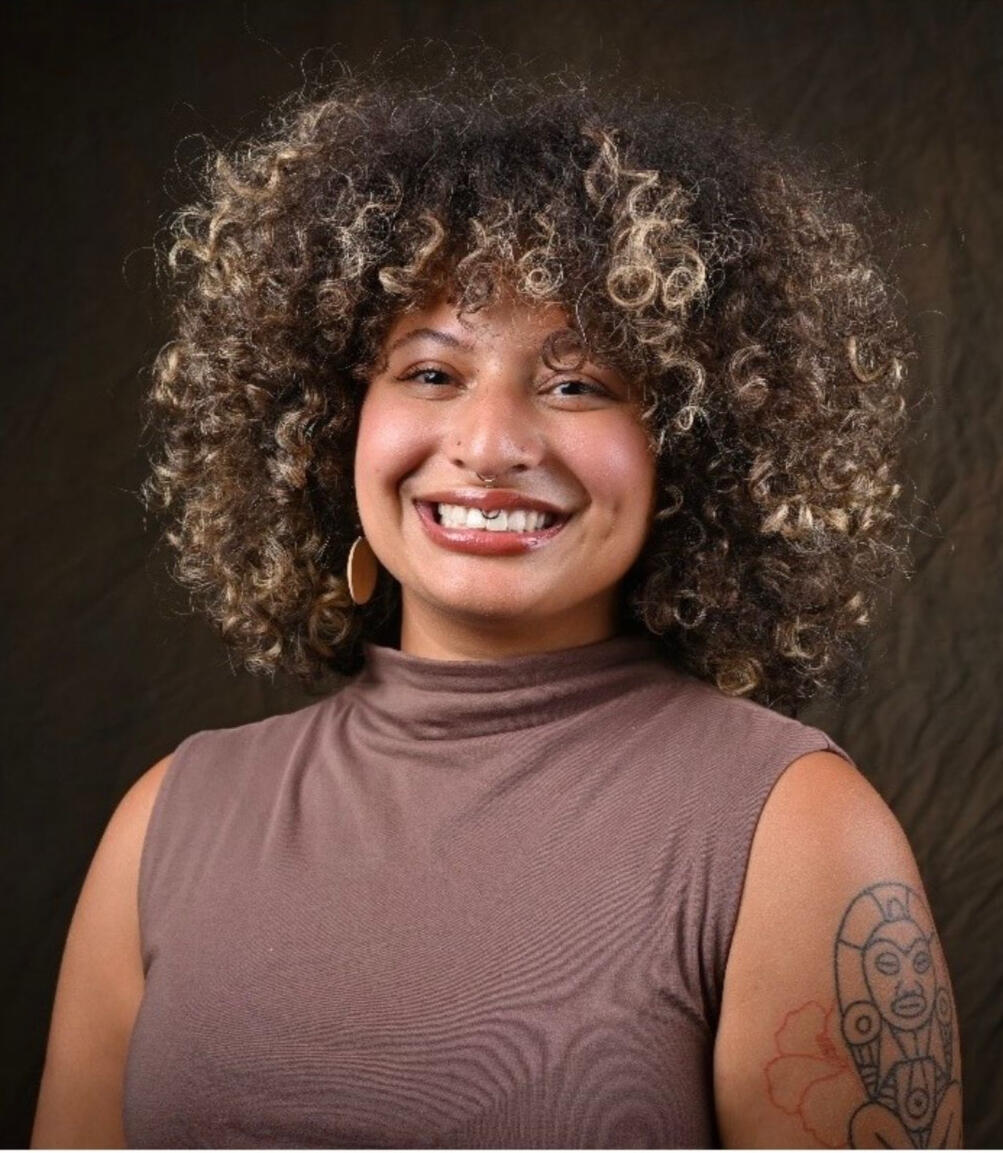
Lizzy Colón (she/her/tuk/ella)I am a queer, neurodivergent Afro-Taíno researcher and writer committed to storytelling as a practice of resistance, reconnection, and cultural survivance. My family is from PR; I was born in Staten Island, NY, and raised in New Haven, CT within Black & Caribbean diaspora communities, while regularly spending time with my father in the Bronx. These geographies and relationships ground my worldview and continue to shape the questions I ask and the stories I carry. I earned my M.S. in American Indian Studies from Arizona State University, with a concentration in Indigenous Rights and Social Justice. My work examines how memoirs by Afro-Boricua authors engage Taíno ancestral knowledge, illuminating how storytelling carries memory, identity, and possibilities for healing within Afro-Boricua communities within PR and the States.
My work exists at the intersection of Indigenous methodologies, African diasporic and Caribbean studies, and gender and sexuality studies. Across teaching and community spaces, I approach storytelling and education as collective practices grounded in accountability, relationality, and liberation. I have supported students in their academic and professional development as a mentor for Indigenous youth in Indigenous-serving programs across Arizona. Within this museum, I understand my role as both a member of this collective and a participant. I approach this work relationally, rather than separating myself from it, recognizing that who I am, what I have lived, and what I value are integral to how knowledge is shared and experienced. I actively contribute to how this museum is shaped and presented, as my testimonios are part of the stories held within it. I will also contribute to the development of curriculum on bodily autonomy, grounding this work in lived experience, ongoing consent, and accountability.
Dra. Yael R. Rosenstock Gonzalez (she/ella)
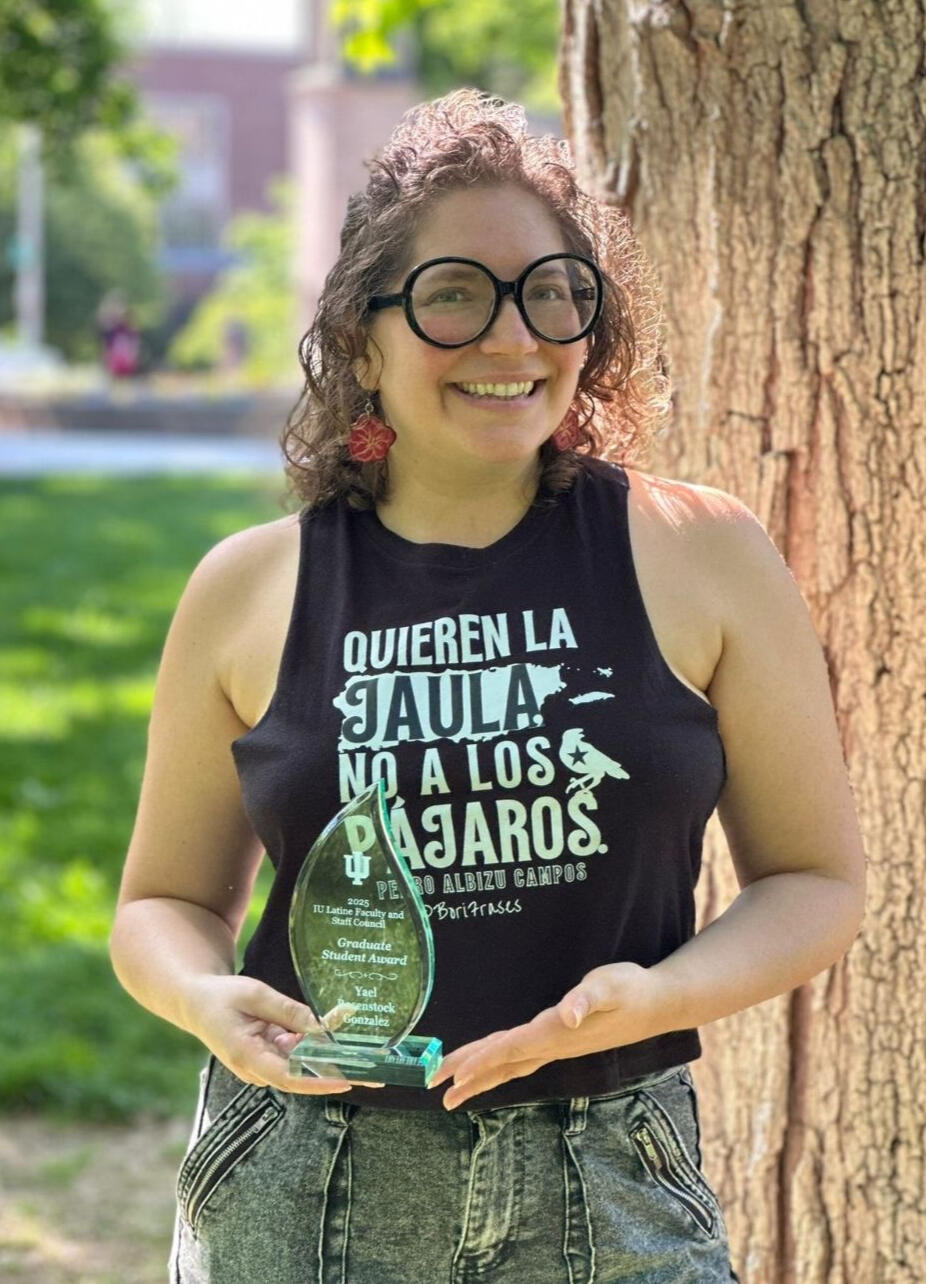
I’m a Nuyorican based in Puerto Rico who has been involved in youth and community organizing, pro-liberation social justice work, and sexuality for over a decade. This project stems from my dissertation, Body, Belonging, Race, Fetishization, and Sex: Exploring the Experiences of US-based Caribbean Island Hispanas but has a much longer origin story. La Cura-duría: Intergenerational Latine Healing Museum has been brewing since I was six years old struggling with feeling at home in several of my identities and in finding a sense of belonging, especially within Latinidad. By ten years old, a complicated relationship with fatphobia, sexualization, and fetishization had joined the mix that was further complicated by questions of consent, sexual agency, and pleasure in my early teens. Attempting to navigate these topics without sufficient representation and community-directed dialogue impacted my social development and well-being during my adolescence in ways that felt isolating and stigmatizing. However, discussions with peers, reading blogs, and even memes let me know that I am not alone and that these conversations needed more space – a space that I could co-create through research and community work.
I met Dr. Idalia when I served as a participant in her study on non-monogamous Latinas and her energy was beautiful. I asked if we could be research friends and she graciously agreed to co-create this digital space with me. Lizzy and Bidania joined first as study participants and then chose to return to the project as fabulous museum team members. Caro and I were connected via a mutual friend, started doing research together, and blossomed towards this project. Together, we have developed a mutually healing space that never fails to energize us. I am excited to see where La Cura-duría grows to as more people join the team and add to the direction of this shared space.
Contact Us!
Have a question? Email us at [email protected]Want to stay in the loop? You can fill out this form to receive general update emails and to participate.
Text